Categories
Learn Policy and Legal Reform

7 CFR and Cannabis: What Federal Agriculture Regulations Mean for Adult-Use Markets in 2026
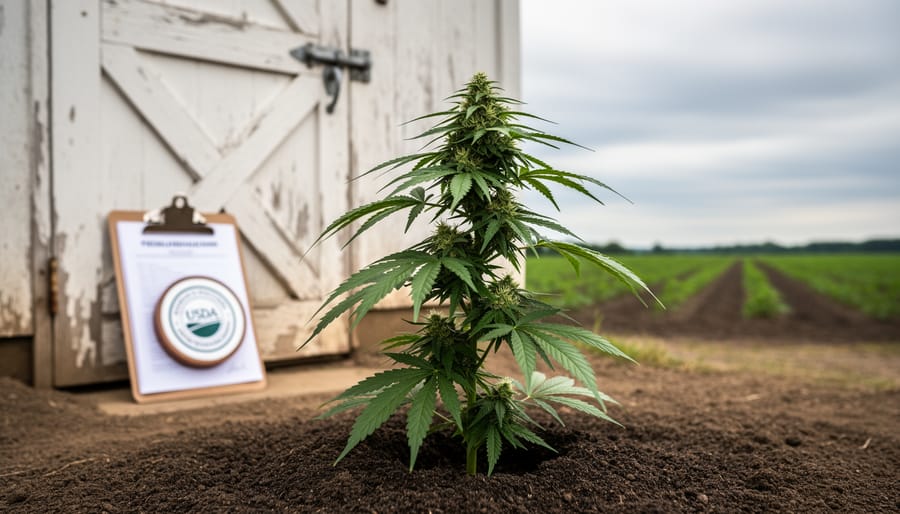
Title 7 of the Code of Federal Regulations governs agriculture in the United States, but it currently excludes adult-use cannabis from its purview entirely. This regulatory gap leaves state-legal marijuana programs operating without the federal agricultural standards, quality controls, and interstate commerce frameworks that apply to nearly every other crop grown in America. While 7 CFR now addresses hemp production following the 2018 Farm Bill, the distinction between hemp and marijuana keeps cannabis businesses locked out of federal agriculture policy, forcing them to navigate a patchwork of …


Categories
Learn Policy and Legal Reform

What Are Vulnerable Adult Laws in Cannabis Regulation (and How Do They Work)?

Vulnerable adult laws in cannabis regulation are legal protections designed to prevent exploitation, coercion, and inappropriate access to marijuana products for individuals who may be unable to make fully informed decisions about cannabis use due to age, cognitive impairment, disability, or dependence on caregivers. These safeguards sit at the intersection of patient rights and consumer protection, ensuring that as states expand adult-use legal frameworks the most at-risk populations aren’t left unprotected.

Categories
Learn Policy and Legal Reform

What Are Legal Frameworks? Understanding Adult-Use Cannabis Regulations

A legal framework is the complete system of laws, regulations, enforcement mechanisms, and judicial interpretations that governs a specific activity or sector. In the cannabis context, these frameworks determine whether marijuana remains prohibited, how medical or adult-use programs operate, who can participate in the market, and what penalties exist for violations. For advocates, policymakers, and engaged citizens working to shape marijuana reform in 2026, understanding legal frameworks means grasping not just what the law says, but how it functions in practice and where it can be changed.
The architecture of cannabis legal …

Categories
Learn Policy and Legal Reform

What Is Education Advocacy (and How Does It Work)?

Education advocacy is the strategic practice of influencing policies, funding decisions, and institutional practices to improve learning opportunities and outcomes for students. At its core, advocacy transforms concern about education into organized action, whether that means parents lobbying for smaller class sizes, community groups pushing for equitable school funding, or organizations campaigning for curriculum reform.
This work matters because educational systems rarely change on their own. Budget priorities shift when advocates make the case. Policies evolve when stakeholders organize. Students gain access to resources because …

Categories
Learn Policy and Legal Reform

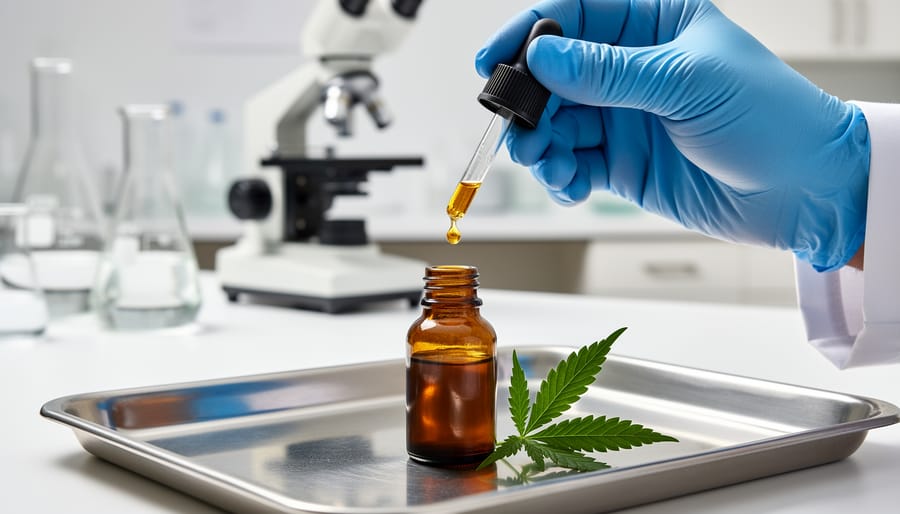
Medical Marijuana Works Better Than You’ve Been Told

Medical marijuana sits at the intersection of groundbreaking science and outdated policy, where decades of research now validate what patients have known for years: cannabis contains genuine therapeutic compounds that alleviate suffering. With 38 states legalizing medical cannabis and over 6 million Americans currently enrolled in state programs, this is no longer fringe medicine—it’s mainstream healthcare fighting for recognition.
The evidence is compelling. Clinical trials demonstrate that cannabinoids effectively manage chronic pain, reduce seizures in treatment-resistant epilepsy by up to 50%, and help cancer patients …

Categories
New Releases

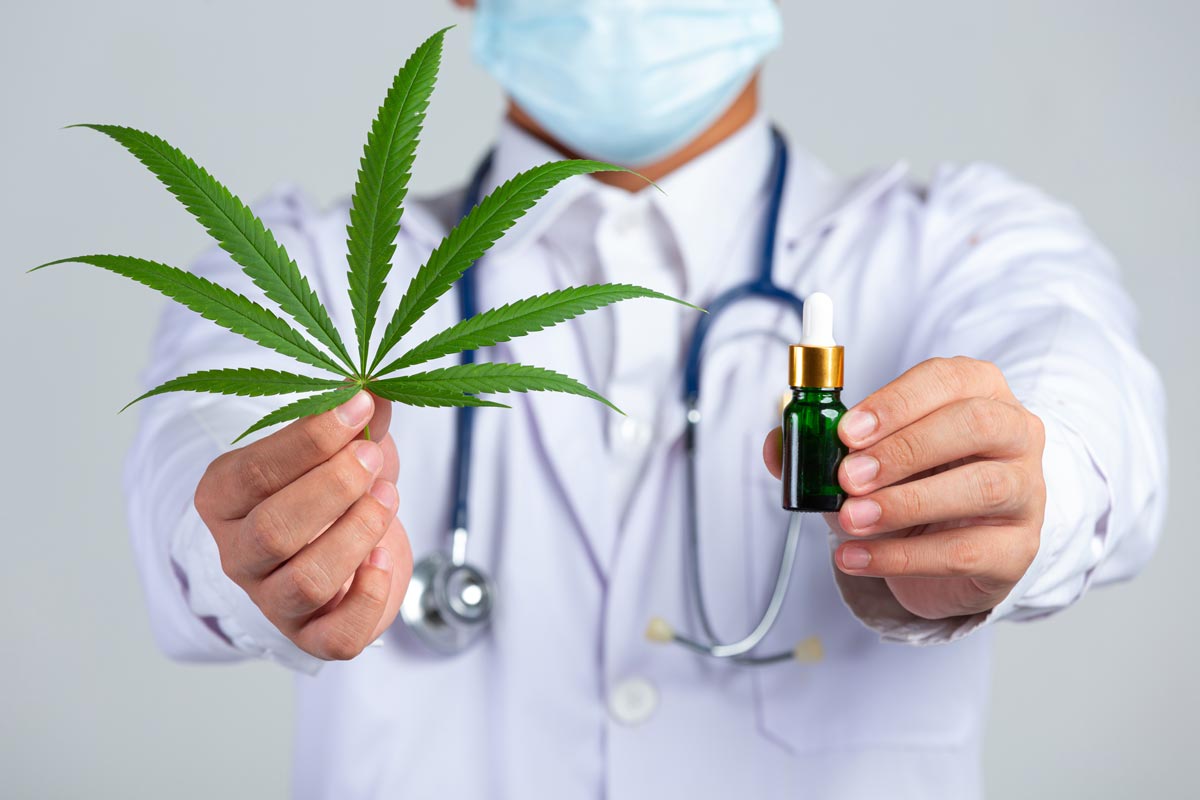
Study Revealed that Cannabis Treatment Can Help Improve Quality of Life

A study that was held in the journal Neuropsychopharmacology Reports found that cannabis can significantly help patients with chronic pain, depression, anxiety, and more.
This research involved 1,378 participants from the UK Medical Cannabis Registry, who had permission from doctors to use cannabis products like oils, flowers, or both, especially when traditional medications didn’t work.
The study tracked the effectiveness of cannabis over 1, 3, 6, and 12 months. The findings were positive, with patients reporting less anxiety, better sleep, and overall improved quality of life. Interestingly, many also reduced their …

Categories
Learn

Learning About the Risk of Cancer when Smoking Cannabis

In the ongoing conversation about marijuana legalization, a critical topic that often surfaces is the potential risk of cancer associated with smoking cannabis. Understanding this risk is crucial, not just for individual users, but also for policymakers and healthcare professionals.
Here, we’ll delve into what current research tells us about cannabis smoking and its link to cancer, and what this means for those considering its use.
Firstly, it’s important to recognize that smoking, in general, is a known risk factor for various types of cancers. This is primarily due to the combustion process which releases …

Categories
Learn

Adult-Use Regulations Regarding Marijuana

As the landscape of marijuana legalization continues to evolve, understanding the nuances of adult-use laws is crucial for responsible and legal consumption. Across various regions where marijuana has been legalized for adult use, there are common regulations that one should be aware of.
Firstly, age restriction is a cornerstone of these laws.
Just like with alcohol, you must be at least 21 years old to purchase, possess, and use recreational marijuana. This age limit is strictly enforced, and valid identification is required at the point of purchase.
Secondly, there’s a limit on how much…

Categories
Learn

Marijuana Drug Testing Tips

With the evolving landscape of marijuana legalization, understanding the ins and outs of marijuana drug testing has become more relevant than ever. Whether you’re facing a test for employment, legal, or personal reasons, here are some straightforward tips to help you navigate this scenario.
Know the Types of Tests
Drug tests for marijuana can vary. The most common ones include urine, blood, saliva, and hair follicle tests. Keep in mind that each of these tests has a different detection window.
For instance, urine tests can detect marijuana 3-30 days after use, depending on frequency and quantity of use, while hair …

Categories
Learn

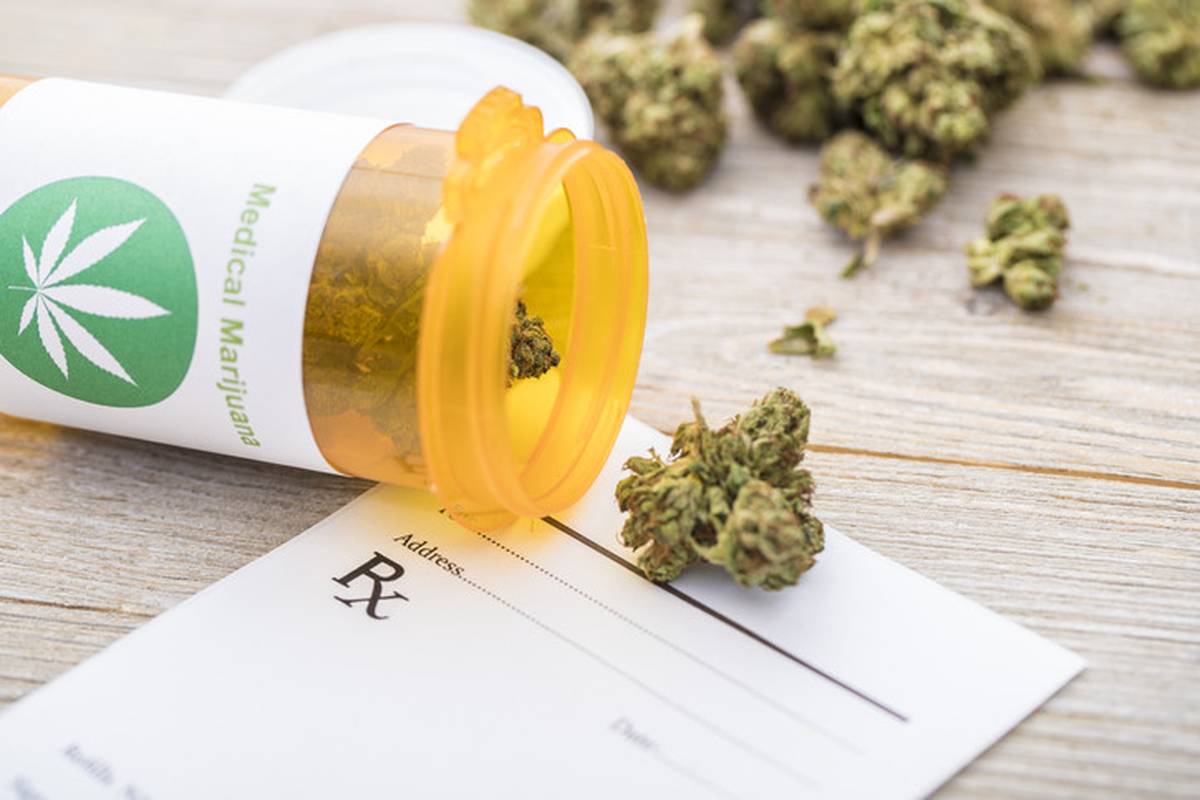
What is Medical Marijuana?

Medical marijuana refers to using the whole, unprocessed marijuana plant or its basic extracts to treat certain health conditions. If you’re curious about this subject, especially in light of the evolving legal landscape, here’s what you should know.
Firstly, it’s crucial to understand the difference between medical and recreational marijuana. Medical marijuana uses the same plant as recreational, but it’s taken for managing certain medical conditions.
The marijuana plant contains many chemicals, but two are of significant medical interest: THC (delta-9-tetrahydrocannabinol) and CBD (cannabidiol). THC …