
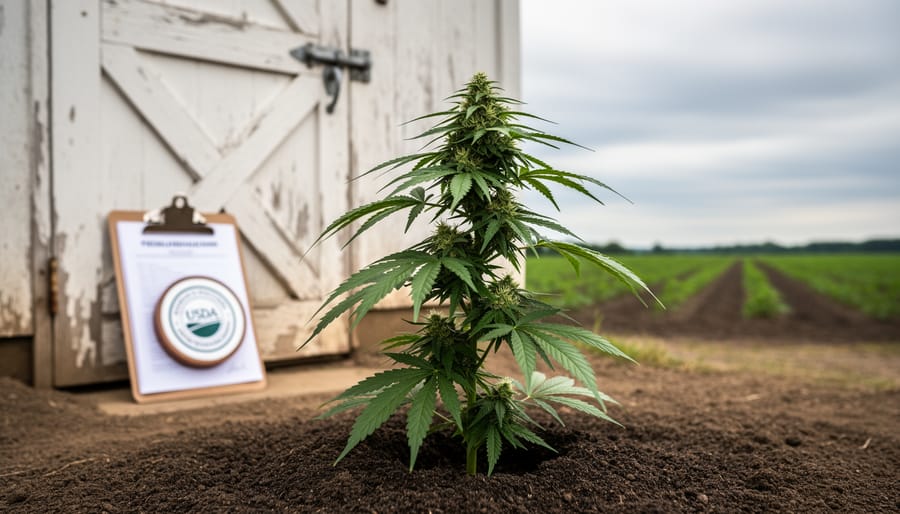
Title 7 of the Code of Federal Regulations governs agriculture in the United States, but it currently excludes adult-use cannabis from its purview entirely. This regulatory gap leaves state-legal marijuana programs operating without the federal agricultural standards, quality controls, and interstate commerce frameworks that apply to nearly every other crop grown in America. While 7 CFR now addresses hemp production following the 2018 Farm Bill, the distinction between hemp and marijuana keeps cannabis businesses locked out of federal agriculture policy, forcing them to navigate a patchwork of adult-use legal frameworks that vary wildly from state to state.
For policy advocates and industry professionals working toward federal cannabis reform, understanding 7 CFR matters. This body of regulations establishes everything from organic certification standards to pesticide protocols, crop insurance programs to commodity grading systems. The absence of cannabis from these frameworks doesn’t just create logistical headaches. It prevents farmers from accessing USDA resources, blocks interstate commerce, and leaves consumers without uniform safety standards.
Hemp’s inclusion in 7 CFR since 2019 demonstrates exactly what’s possible when federal law catches up with agricultural reality. Licensed hemp producers can now apply for crop insurance, seek USDA organic certification, and move their products across state lines without legal jeopardy. Meanwhile, cannabis cultivators growing a chemically identical plant face criminal liability the moment THC content exceeds 0.3 percent.
This article breaks down what 7 CFR actually covers, how it currently applies to hemp but not marijuana, and what federal cannabis reform would mean for bringing adult-use cultivation under proper agricultural regulation. The path forward requires understanding where we are now.
Understanding Title 7 of the Code of Federal Regulations
Title 7 of the Code of Federal Regulations contains the rules written and enforced by the United States Department of Agriculture. Think of it as the USDA’s official rulebook, covering everything from how farmers grow wheat and corn to how livestock operations handle animal welfare, what standards organic products must meet, and how agricultural commodities move across state lines. These regulations touch nearly every aspect of American agriculture, from field to market.
The scope of 7 CFR is massive. It includes plant quarantine rules that prevent invasive species from crossing borders, commodity programs that support farmers during price fluctuations, nutrition assistance standards for food programs, and pesticide tolerances that protect consumers. When you buy certified organic produce at the grocery store, 7 CFR Part 205 sets those standards. When researchers develop new crop varieties, they work within 7 CFR frameworks. The regulations create uniformity across state lines, so a bushel of soybeans grown in Iowa meets the same federal standards as one grown in Tennessee.
Cannabis, as a cultivated agricultural crop, naturally falls into territory that 7 CFR was designed to regulate. Whether grown in a greenhouse or outdoor field, cannabis requires the same considerations as any other specialty crop: soil health, pest management, water use, harvest standards, and product safety testing. The plant shares biological characteristics with other regulated agricultural commodities, it needs nutrients, faces disease pressure, and produces a harvested product destined for consumer use.
This is precisely why the federal regulatory gap creates such chaos. Cannabis cultivation involves agricultural questions that 7 CFR was built to answer, yet adult-use programs operate entirely outside this framework. State regulators reinvent the wheel, writing cultivation rules without access to USDA research, standardized testing protocols, or decades of agricultural science that inform how we safely grow other crops.
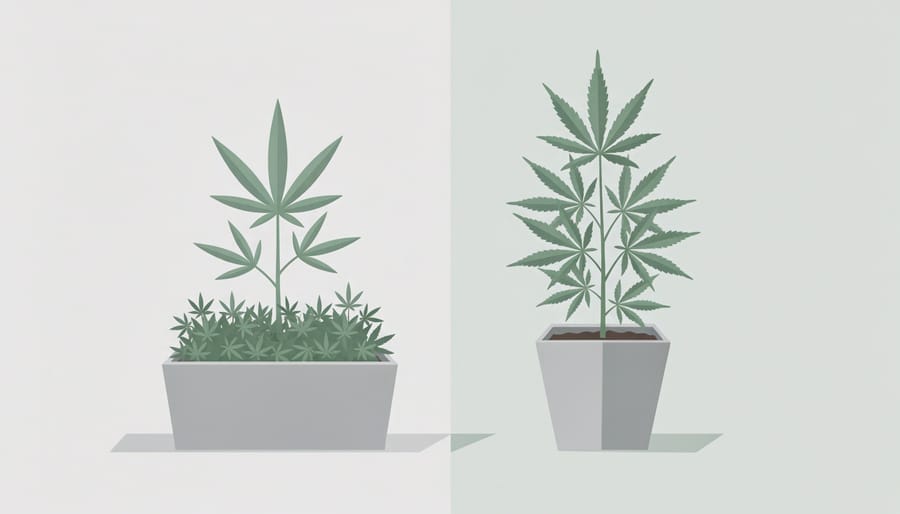
The Hemp vs. Marijuana Divide Under Federal Agriculture Law
USDA Hemp Production Rules
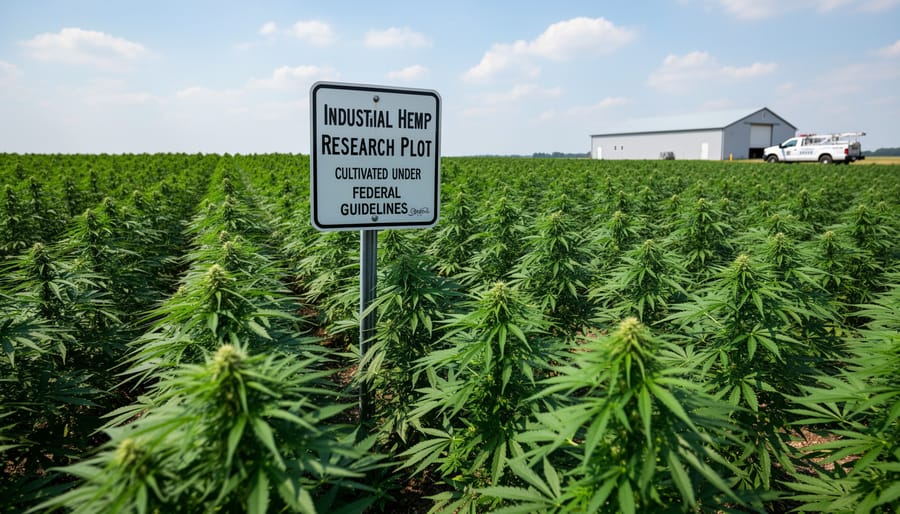
Following the 2018 Farm Bill’s legalization of hemp, the USDA established comprehensive federal oversight through 7 CFR Part 990 requirements that govern every stage of hemp production. These regulations define hemp as cannabis containing no more than 0.3% delta-9 THC on a dry weight basis, a bright line that separates legal agricultural activity from federal prohibition.
Under this framework, licensed hemp producers must submit detailed cultivation plans to either the USDA or state departments of agriculture operating approved programs. The rules mandate specific testing protocols conducted by DEA-registered laboratories within 15 days of anticipated harvest, using gas or liquid chromatography to measure total THC concentration. Crops testing above the 0.3% threshold must be destroyed, with producers bearing the cost.
The USDA system requires background checks for applicants, excluding anyone with felony drug convictions within the past ten years, a provision that has drawn criticism for shutting out individuals most harmed by cannabis prohibition. Producers must maintain detailed records including land descriptions, acreage reports, and disposal documentation for non-compliant plants. State programs operating under USDA approval adopt these same standards while adding their own layer of oversight.
For hemp cultivators, this regulatory structure provides legitimacy and access to agricultural services unavailable to adult-use cannabis operators. They can secure crop insurance, apply for USDA loans, and transport products across state lines. Yet the narrow THC threshold creates constant risk: a single test pushing a harvest over 0.3% transforms legal agriculture into contraband, illustrating how federal rules remain disconnected from botanical reality and market needs.
Where Adult-Use Cannabis Falls Outside 7 CFR
State-legal adult-use marijuana exists in a regulatory void at the federal level. Despite operating in dozens of states with sophisticated licensing, testing, and compliance systems, these programs cannot access any provisions under 7 CFR because marijuana remains a Schedule I controlled substance under the Controlled Substances Act. The USDA has no authority to regulate, certify, or support crops that federal law classifies as illegal drugs.
This exclusion has concrete consequences. Adult-use cultivators cannot apply for USDA organic certification, even if they meet every agricultural standard. They’re barred from crop insurance programs that protect farmers against weather damage or market losses. Research grants, conservation funding, and technical assistance available to virtually every other agricultural sector remain inaccessible.
The banking restrictions compound these challenges. Because marijuana operations violate federal law, most financial institutions refuse to serve them, making it nearly impossible to process payments, secure business loans, or access the financial tools that 7 CFR-regulated industries take for granted.
Interstate commerce represents perhaps the biggest gap. While hemp producers can ship products across state lines under 7 CFR Part 990 provisions, adult-use cannabis cannot cross state borders without triggering federal trafficking charges. Each state market operates as an isolated island, preventing economies of scale and forcing redundant production infrastructure.
This federal-state disconnect leaves adult-use cannabis as the only major agricultural industry operating entirely outside the regulatory framework designed to ensure safety, consistency, and economic viability.
How Rescheduling or Descheduling Would Transform 7 CFR’s Role
If cannabis were rescheduled to Schedule III or removed entirely from the Controlled Substances Act, the USDA would gain authority to extend 7 CFR regulations to adult-use marijuana programs. This shift would fundamentally alter how cannabis is cultivated, tested, and sold across state lines.
Rescheduling to Schedule III would acknowledge cannabis’s accepted medical marijuana applications while maintaining some federal oversight. Under this scenario, cannabis would likely fall under 7 CFR Part 990’s hemp framework as a starting point, though USDA would need to establish distinct regulations addressing THC content above 0.3%, cultivation security requirements, and product safety protocols specific to psychoactive cannabis. The agency could leverage existing agricultural standards for crop inspection, good agricultural practices, and traceability systems.
Complete descheduling would offer more flexibility. Cannabis would become an agricultural commodity like tobacco or hops, subject to standard USDA oversight without criminal penalties. The agency could develop comprehensive 7 CFR provisions covering everything from seed certification to organic production standards. Cultivators would gain access to federal crop insurance, disaster relief programs, and agricultural research grants, resources currently unavailable to state-legal operators.
Either pathway would transform pesticide regulation dramatically. EPA currently cannot approve pesticides for federally illegal crops, forcing state programs to operate with limited guidance and unapproved products. Integration into 7 CFR would trigger formal EPA pesticide registration processes, establishing safe-use guidelines and maximum residue limits. This would protect consumers and give cultivators clear compliance standards instead of today’s patchwork state rules.
Interstate commerce represents another major shift. Current prohibition forces each state market to operate in isolation, with oversupply in some regions and scarcity in others. Federal rescheduling or descheduling would enable 7 CFR interstate commerce provisions, allowing licensed cultivators to ship across state lines under USDA inspection and certification programs.
Industry experts note the regulatory timeline would stretch years, not months. USDA would need to conduct notice-and-comment rulemaking, pilot programs, and stakeholder consultations before final rules took effect. However, the foundation exists: hemp regulations under 7 CFR Part 990 provide a proven template that could be adapted and expanded for adult-use cannabis markets nationwide.
State Adult-Use Programs Operating Without Federal Agriculture Framework
Without federal agricultural oversight, states have created their own patchwork of cultivation, testing, and product safety regulations for adult-use cannabis. This fragmented approach has produced significant operational challenges for multi-state operators and left consumers facing inconsistent protections depending on where they purchase.
Each state adult-use rules define permissible pesticides, testing thresholds for contaminants, and acceptable cultivation practices, with striking variation. California’s cannabis testing requires screening for 66 pesticides and sets strict limits on heavy metals, while other states may test for fewer compounds or apply different action levels. Colorado mandates testing for microbial contaminants at harvest, whereas some jurisdictions only require testing finished products. This inconsistency complicates compliance for businesses operating across state lines and creates confusion for consumers who expect similar safety standards regardless of location.
The absence of USDA involvement has particularly hurt cultivators seeking organic certification, crop insurance, or agricultural research grants. Hemp farmers can pursue USDA Organic certification and access federal crop disaster assistance; cannabis growers in legal states cannot. This exclusion forces the industry to develop private certification programs that lack the recognition and trust consumers place in federal standards. Many cultivators follow organic principles but cannot label products accordingly, limiting market differentiation and transparency.
Research suffers equally. Universities in prohibition states cannot study cannabis cultivation techniques even when neighboring states run mature adult-use markets. Without federal research infrastructure, the industry has developed best practices through trial and error rather than systematic agricultural science. Growers share knowledge through conferences and trade publications instead of peer-reviewed journals and extension services that support conventional agriculture.
This state-by-state regulatory isolation will persist until federal reform integrates cannabis into the agricultural framework that governs every other legal crop in America.
Pesticide Regulations and Product Safety Gaps
For most agricultural crops, pesticide safety follows a clear process: the EPA approves active ingredients, 7 CFR establishes application guidelines, and growers access labeled products knowing they meet federal standards. Cannabis cultivators have none of this infrastructure.
Because marijuana remains Schedule I, the EPA cannot legally approve pesticides for cannabis cultivation. Growers can’t reference an official “approved for use on cannabis” list. This regulatory vacuum creates serious product safety concerns. Some cultivators apply pesticides labeled for ornamental plants, not intended for human consumption, while others use no pest management chemicals at all, risking mold and contamination.
States have scrambled to fill this gap with wildly inconsistent approaches. Colorado publishes a list of pesticides it permits based on toxicology assessments, while California bans most synthetic pesticides in cannabis cultivation entirely. Michigan uses yet another standard. A product deemed safe in one state might trigger a batch failure across the border. This patchwork fails consumers who deserve uniform safety protections, particularly vulnerable adult laws that recognize medical patients with compromised immune systems or respiratory conditions face heightened risks from pesticide residues.
Testing requirements compound the problem. Without federal reference standards, labs use varying detection limits and acceptable thresholds. Products that pass in one state’s testing regime might fail another’s, not because of different actual safety but due to regulatory inconsistency.
If cannabis entered 7 CFR’s framework, the EPA could conduct residue studies and approve pesticides specifically for cannabis cultivation, just as it does for lettuce or tomatoes. Growers would gain clear guidance, consumers would receive consistent protection, and states could stop reinventing safety standards in isolation.
What Advocates Can Do: Pushing for Federal Reform
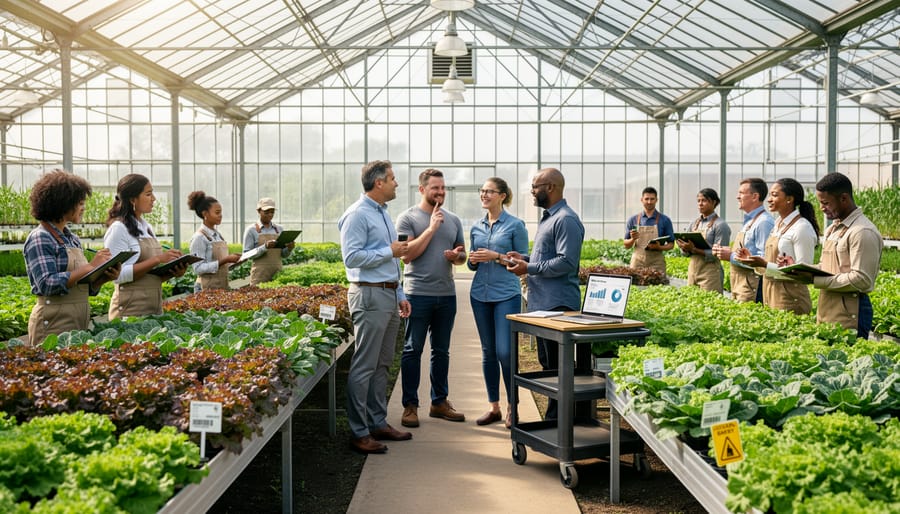
Federal reform won’t happen without pressure from informed, organized advocates. Here’s how you can help move cannabis into the federal agriculture framework where it belongs:
- Contact your congressional representatives about cannabis rescheduling and descheduling legislation. Reference specific bills like the Cannabis Administration and Opportunity Act or the SAFE Banking Act, and explain how exclusion from 7 CFR harms farmers, consumers, and state economies. Personal letters and calls from constituents carry weight.
- Build coalitions with mainstream agricultural organizations. Farm bureaus, organic certification bodies, and agricultural extension programs have lobbying power. Show them how cannabis cultivators face the same challenges as other specialty crop producers, pesticide approval, soil health, water management, and would benefit from the same USDA resources.
- Support research institutions pushing for federal cannabis agriculture studies. Land-grant universities can’t research Schedule I substances without burdensome DEA licensing. Advocate for removing these barriers so agricultural science can inform sensible cultivation standards.
- Engage in education advocacy that frames cannabis as an agricultural commodity, not just a social justice issue. Publish op-eds, speak at town halls, and create accessible content explaining how federal agriculture regulations protect consumers and support farmers in every other crop sector.
- Pressure state regulators to adopt best practices that align with existing 7 CFR frameworks for specialty crops. When states demonstrate responsible, science-based agricultural oversight, it strengthens the case for federal integration.
Real reform requires persistent, coordinated effort across multiple fronts. Industry stakeholders bring economic data, scientists provide technical credibility, and grassroots advocates supply the political pressure that moves legislation. Each role matters. The hemp industry’s success under 7 CFR proves federal agriculture frameworks can accommodate cannabis, we just need the political will to extend that acceptance to adult-use markets.
Common Questions About Federal Agriculture Rules and Cannabis
The regulatory intersection between federal agriculture law and cannabis raises many practical questions for growers, businesses, and advocates navigating this uncertain landscape. These common questions reflect the confusion created when state-legal industries operate outside federal frameworks.
Can adult-use cannabis farms receive USDA certification or support?
No. As long as cannabis remains a Schedule I controlled substance, adult-use marijuana operations cannot access USDA organic certification, crop insurance, agricultural loans, or any programs administered under 7 CFR. Only hemp producers cultivating cannabis with 0.3% THC or less qualify for federal agriculture programs.
What would happen if cannabis were rescheduled to Schedule III?
Rescheduling to Schedule III would acknowledge medical value but wouldn’t automatically bring cannabis under 7 CFR agriculture regulations. Full integration would require additional legislation directing USDA to develop cultivation standards, pesticide protocols, and interstate commerce rules specifically for cannabis as an agricultural commodity.
Do current hemp regulations under 7 CFR apply to high-THC cannabis?
No. The 7 CFR Part 990 hemp production rules apply exclusively to cannabis plants and derivatives containing 0.3% THC or less on a dry weight basis. Any cannabis exceeding this threshold falls outside federal agriculture law and remains subject to state-level regulation only.
Can states create their own agriculture standards for adult-use cannabis?
Yes, and they already have. Every state with legal adult-use programs has developed cultivation regulations, testing requirements, and safety protocols without federal guidance. However, this creates inconsistency across state lines and prevents interstate commerce or standardized best practices.
Why does the pesticide issue matter so much for cannabis cultivation?
Without 7 CFR integration, cannabis lacks EPA-approved pesticide lists that other crops receive. Growers face uncertainty about which products are safe and legal, states develop conflicting allowed-use lists, and consumers have no federal assurance that products meet consistent safety standards for pesticide residues.
Understanding these regulatory gaps helps clarify why federal reform matters beyond simple legalization. Until cannabis enters the same agricultural framework governing tomatoes, corn, and hemp, the industry will struggle with fragmented standards, limited research support, and operational barriers that don’t affect any other major crop. These questions underscore the practical consequences of keeping a multi-billion-dollar agricultural sector outside established regulatory structures.
Understanding 7 CFR isn’t just academic exercise for cannabis advocates, it’s strategic groundwork for the reform we’re building. Federal agriculture law remains inaccessible to adult-use cannabis solely because of outdated prohibition, not because cannabis lacks agricultural legitimacy. Every other crop cultivated in America operates under USDA standards that ensure safety, support research, and enable interstate commerce. Cannabis deserves the same framework.
When federal reform finally arrives, 7 CFR will become the foundation for standardized cultivation practices, approved pesticide lists, organic certification pathways, and quality controls that currently vary wildly across state programs. Integrating cannabis into this existing regulatory structure would immediately legitimize the industry, protect consumers through consistent safety standards, and unlock research opportunities that prohibition has blocked for decades.
The gap we’re living with now, state programs operating without federal agricultural support, creates unnecessary risks and inefficiencies. Advocates who understand how 7 CFR works can articulate exactly what we’re missing and why it matters. We can build coalitions with agricultural organizations who already navigate these regulations. We can educate lawmakers on specific regulatory pathways rather than vague reform promises.
This knowledge empowers you to push smarter, more targeted advocacy. Contact your representatives with specific asks about cannabis integration into federal agriculture law. Support organizations working on rescheduling and descheduling efforts. Connect this issue to food safety, farmer rights, and economic development, frames that resonate beyond cannabis-specific advocacy. The regulatory infrastructure exists. Our job is demanding access to it.